
In an era dominated by instant pots, air fryers, and high-tech kitchen gadgets, an ancient culinary tradition is quietly reclaiming its spot on the modern stove. Long before stainless steel and non-stick coatings existed, civilization relied on the clay pot to feed families. Today, chefs and home cooks alike are rediscovering that a traditional clay cooking pot offers flavors and textures that modern metal cannot replicate.
The Science and Soul of Clay Pot Cooking.
What makes clay pot cooking so unique is how unglazed or semi-glazed clay interacts with heat and moisture.
Steam Circulation: Clay is naturally porous. When you soak an unglazed clay pot in water before cooking, the walls absorb moisture. As the pot heats up, this water slowly releases as steam, creating a self-basting environment that keeps meats incredibly tender and prevents dishes from drying out.
Alkaline Balancing: Clay is alkaline. When cooking highly acidic foods like tomatoes, vinegar, or citrus, the clay pot interacts with the ingredients, naturally neutralizing the harsh acid tones and creating a smoother, rounder flavor profile.
Gentle, Even Heat: Unlike metals that experience sudden temperature spikes, clay retains heat evenly and distributes it slowly. This gentle simmer allows complex flavors to marry perfectly over time.
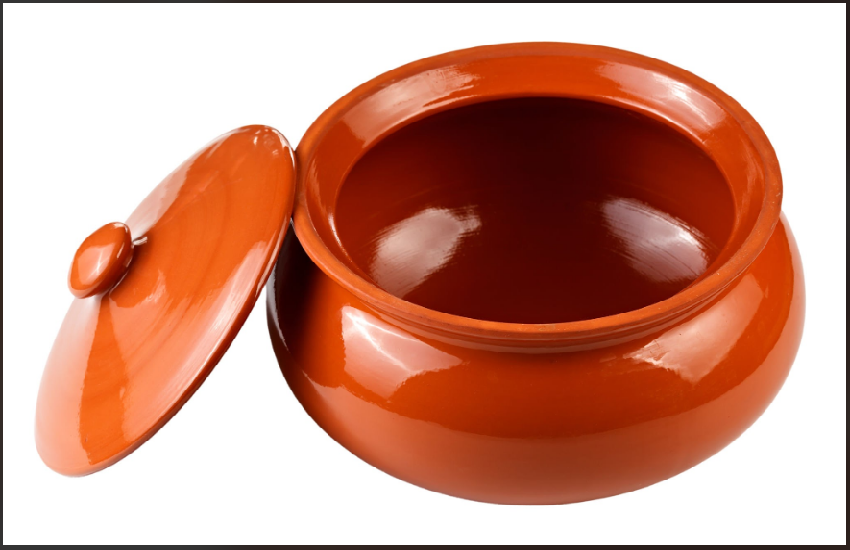
From Ancient Earthenware to Modern Stoneware
While traditional clay pots are excellent for slow-simmered stews, rice dishes, and braises, the world of earthenware has evolved. Brands known for premium cookware have embraced these materials to fit seamless modern lifestyles.
For instance, while famous for their enameled cast iron, the Le Creuset Company also boasts an exceptional line of high-fired stoneware and ceramics. If you love the concept of clay baking but want something designed for modern ovens and easy cleanup, a ceramic baker or tagine from Le Creuset bridges the gap beautifully. They offer the steady heat absorption of traditional earthenware paired with the durable, non-reactive glaze the brand is famous for.
Quick Tips for Your First Clay Pot
If you are ready to experiment with an authentic earthy clay pot, keep these three rules in mind to keep your cookware intact for years:
Avoid Temperature Shock: Never put a cold clay vessel directly onto a hot burner or into a preheated oven. Let the pot heat up gradually alongside your appliance.
Skip the Dish Soap: For unglazed pots, skip harsh detergents. Because clay is porous, it can absorb soap flavors. Use warm water, a gentle brush, and a sprinkle of baking soda for tough spots instead.
Dry Thoroughly: Always let your pot air-dry completely before putting it away in the cabinet to prevent moisture from getting trapped.